-
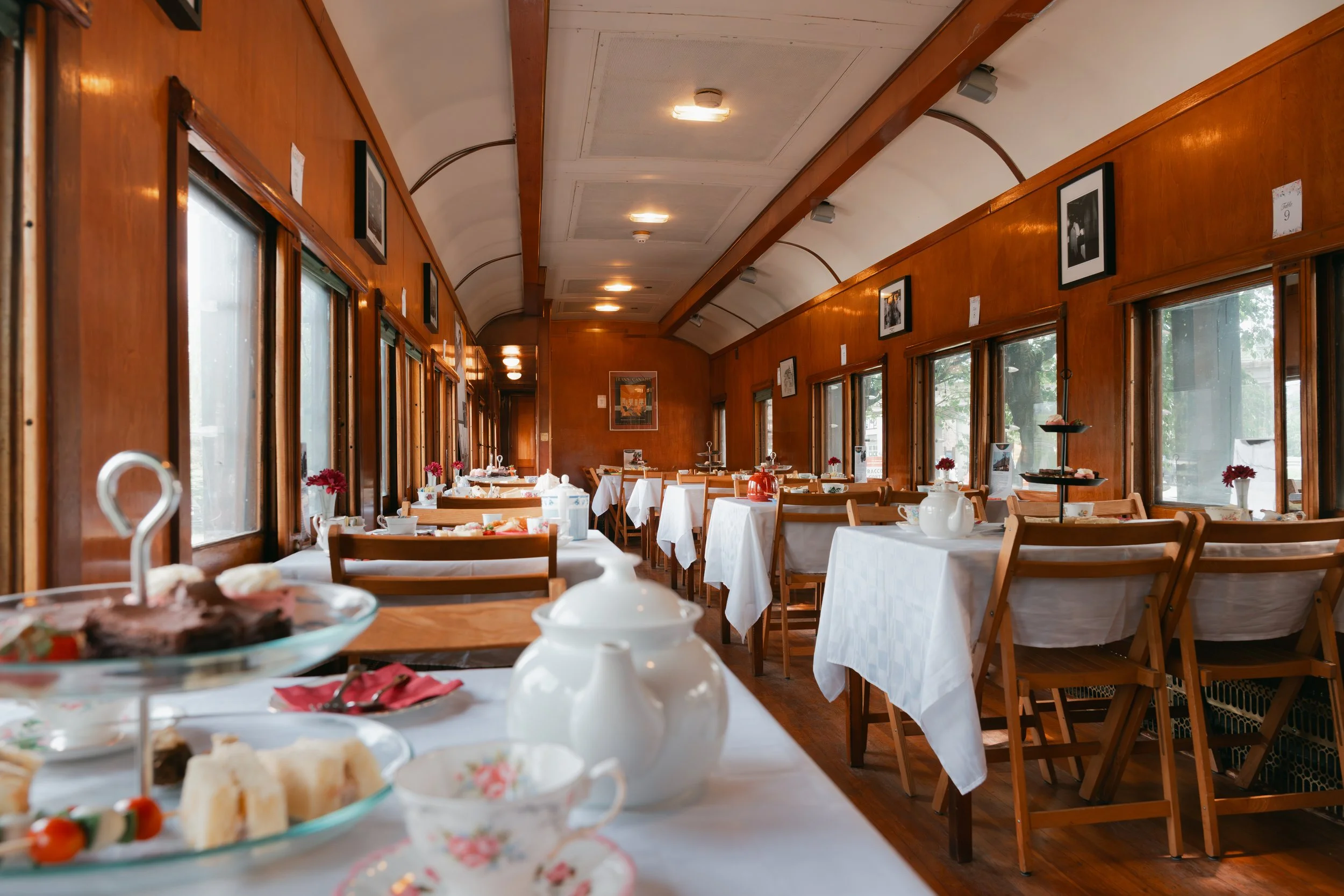
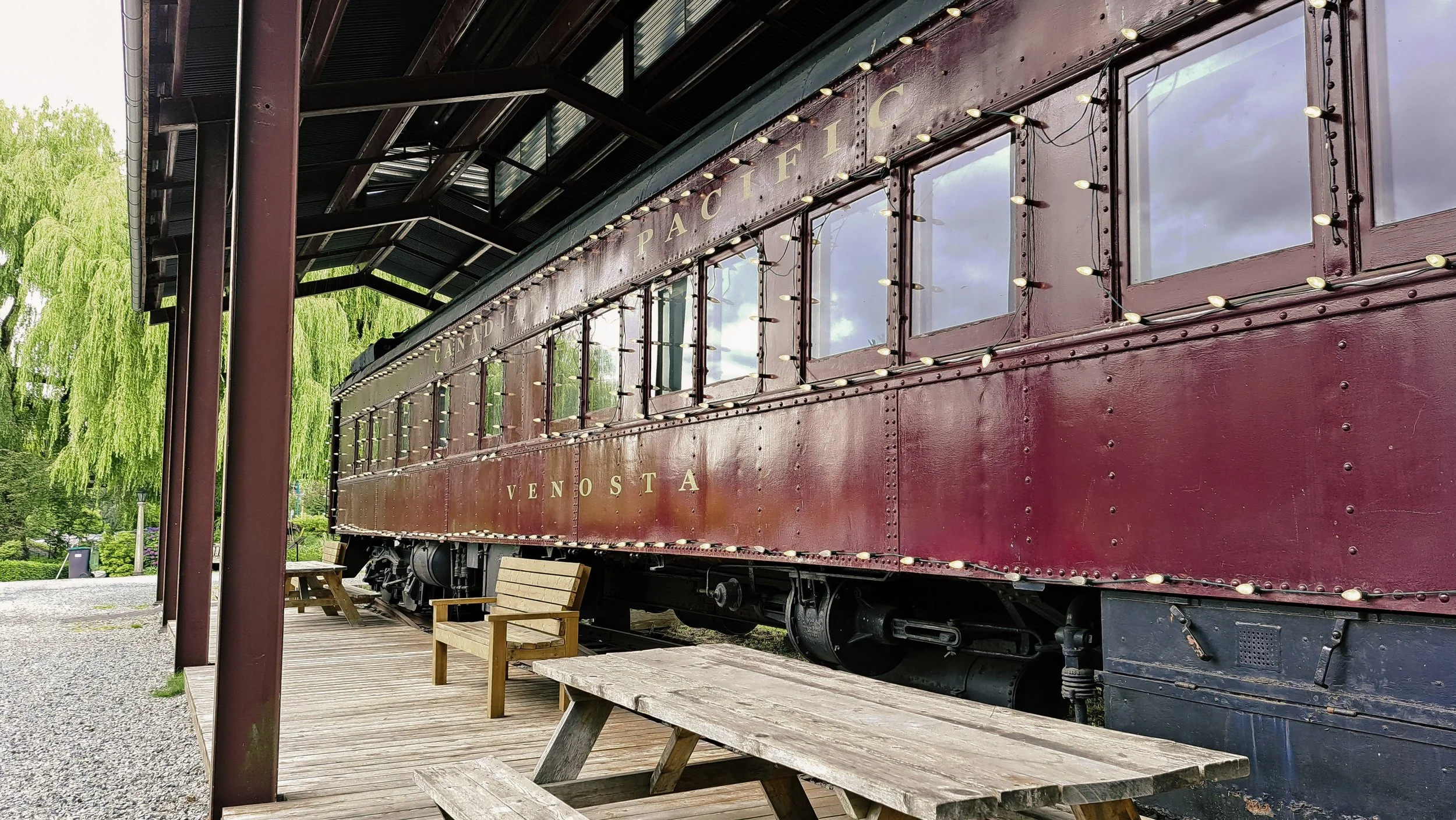
The Venosta, a 1921 passenger train car
-
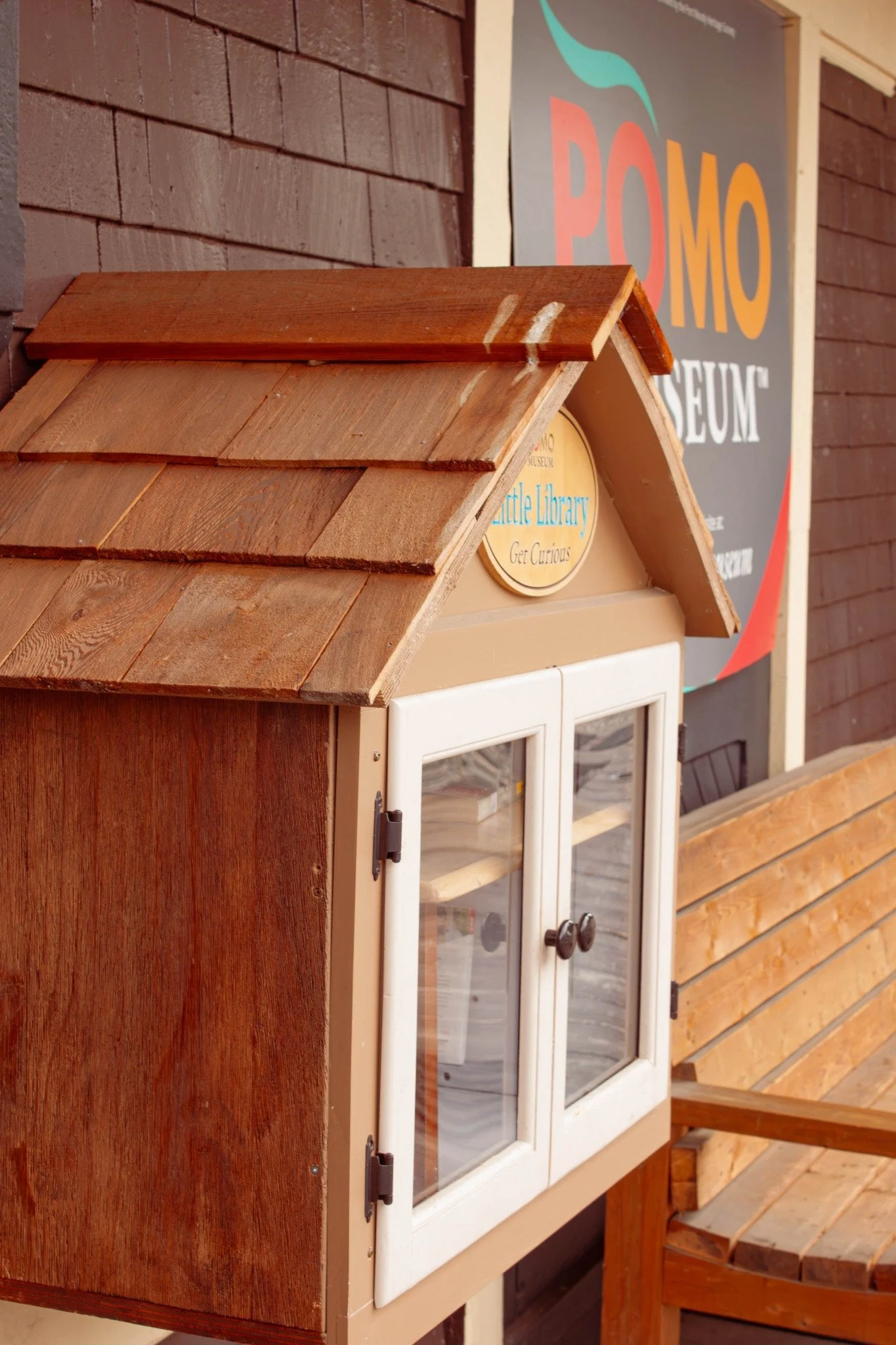
Come visit the Pomo museum
-
McKnight Centennial Trench Legacy Project
-
A look back into the history of Port Moody
-
Join our Board
Help Support the POMO Museum
Your gift will help keep the Museum open for generations to come.
Find out how you or your organization can support us and become
part of Port Moody's living history.
Upcoming events
Featured Articles
Coast Salish First Nations communities were the first to live along the southern coast, including the area known as Port Moody, BC.
Where did the trees, with pink and white cherry blossoms that line our streets and add a touch of colour to our parks, come from? The answer might surprise you.
The beaver became Canada’s national symbol on March 24, 1975, when the National Symbol of Canada Act received royal assent. Though castor canadensis was already a de facto emblem, found on ancient totem poles, featured on the nation’s first postage stamp, issued in 1851, and appearing on various coats of arms (Manitoba’s, Alberta’s and Toronto’s, among others).
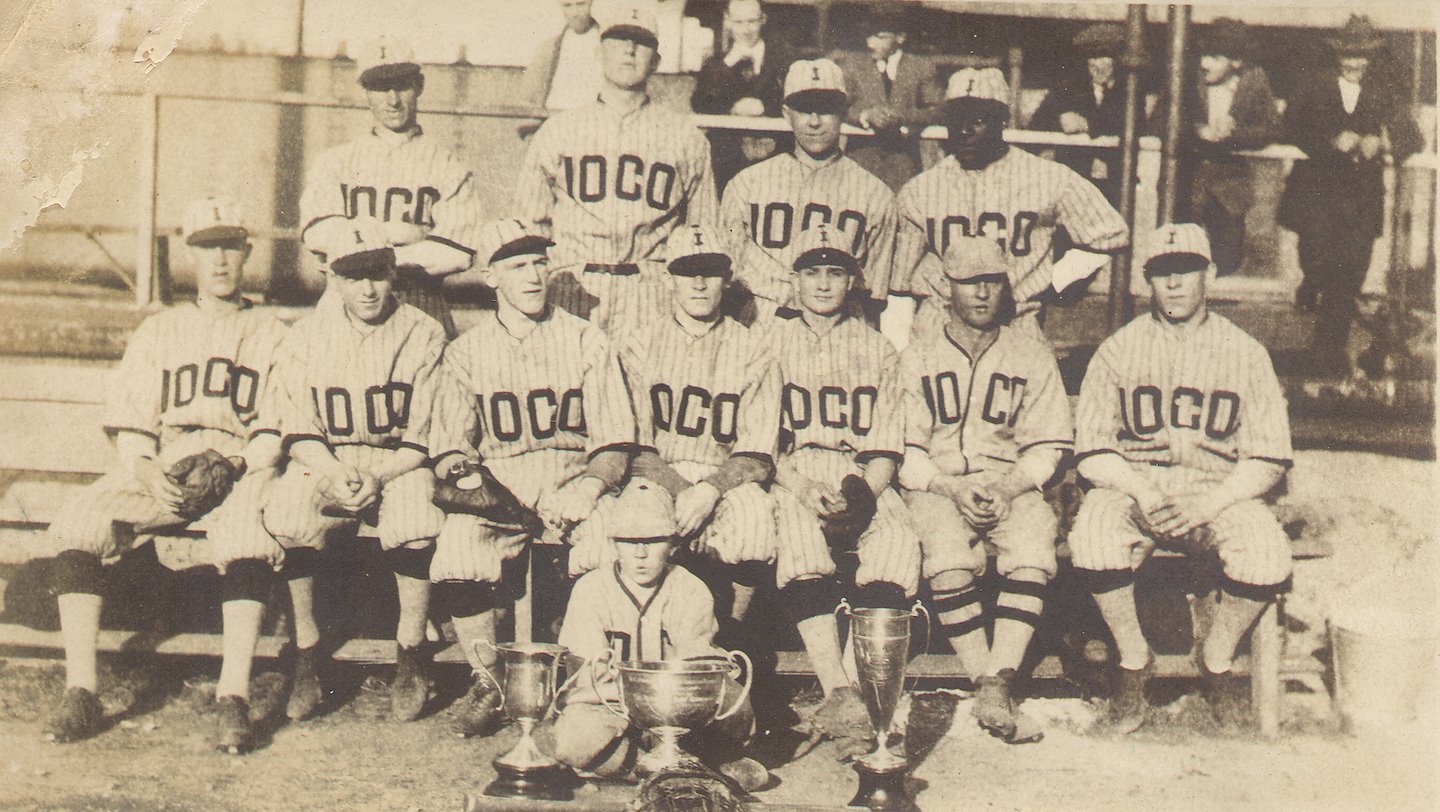
IOCO 100
To commemorate the 100th Anniversary of the IOCO town site the Port Moody Heritage Society has created the IOCO memory book - which you can find here.
Click here for to view the memory book
As part of the IOCO Legacy Project we have also created a self guided walking tour at the IOCO Townsite. Take a stroll to view the 19 panels which shares the history of the townsite as well as memories from the people who lived there.
The Port Moody Heritage Society is grateful for the grant from Department of Canadian Heritage as well as Imperial Oil Ltd. which made this project possible.
Our POMO Museum
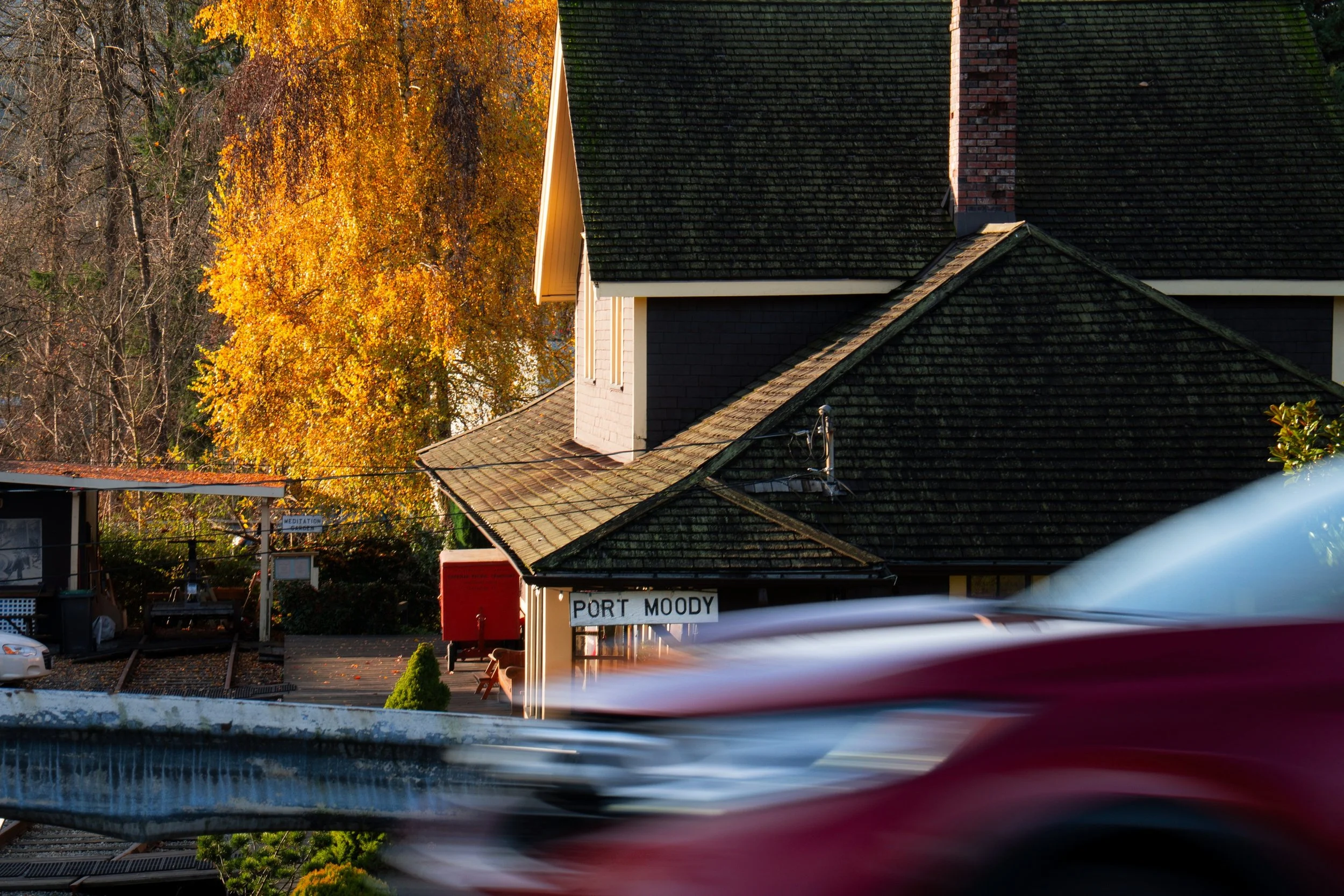
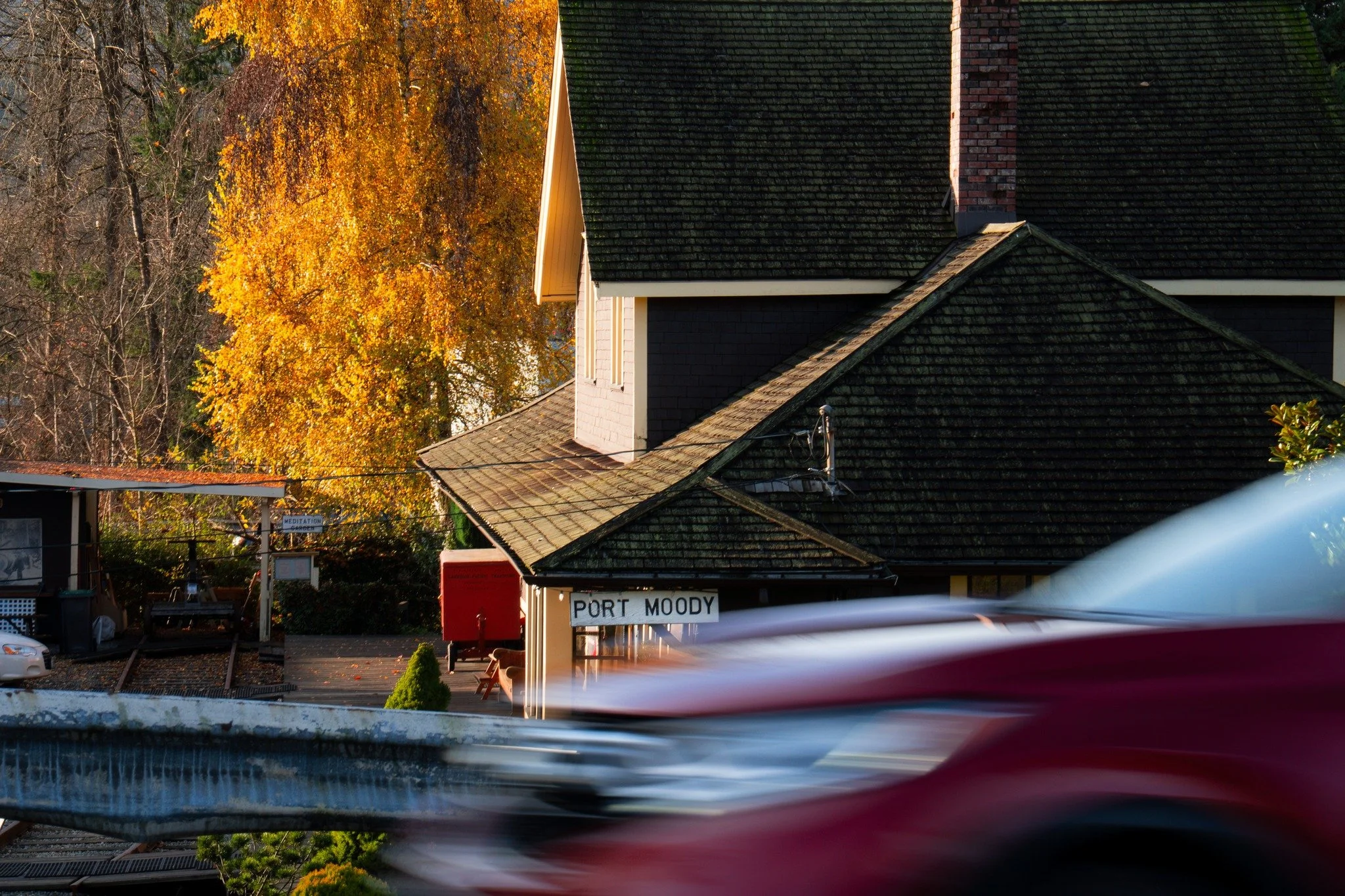
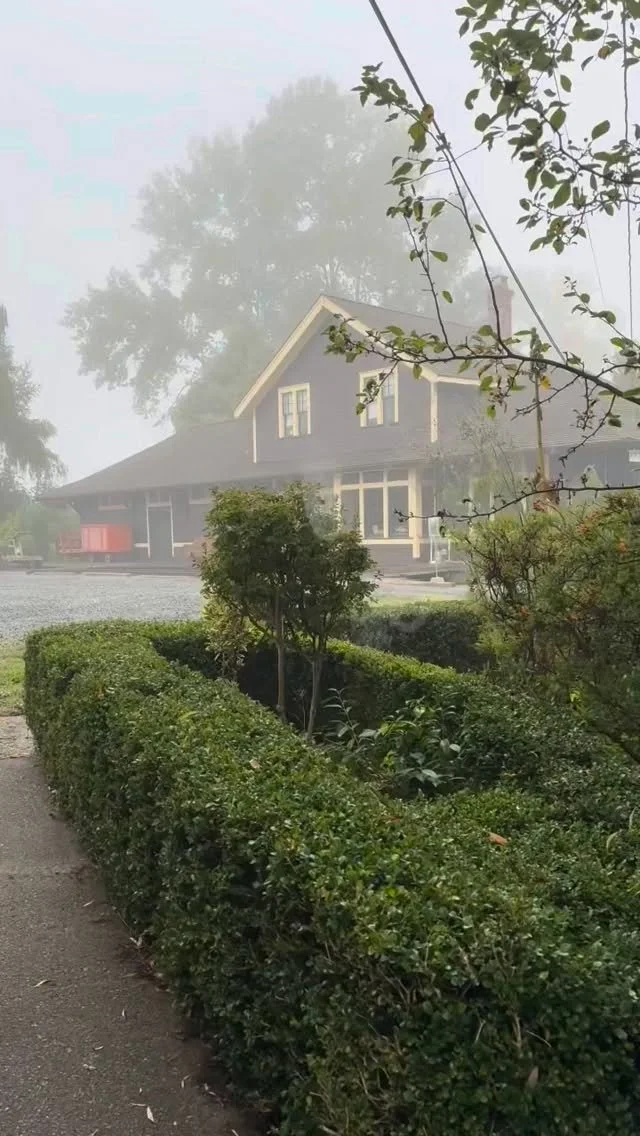
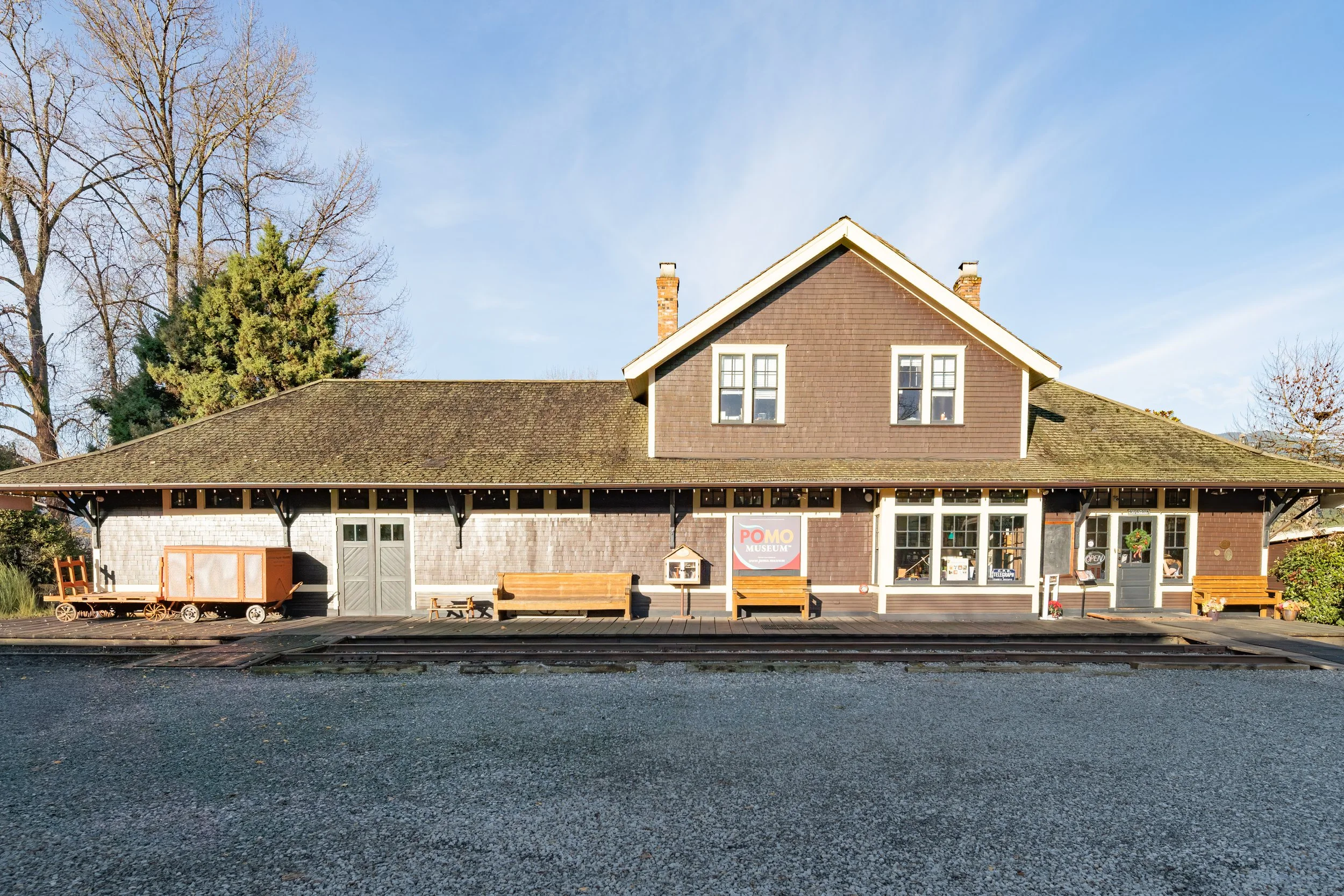
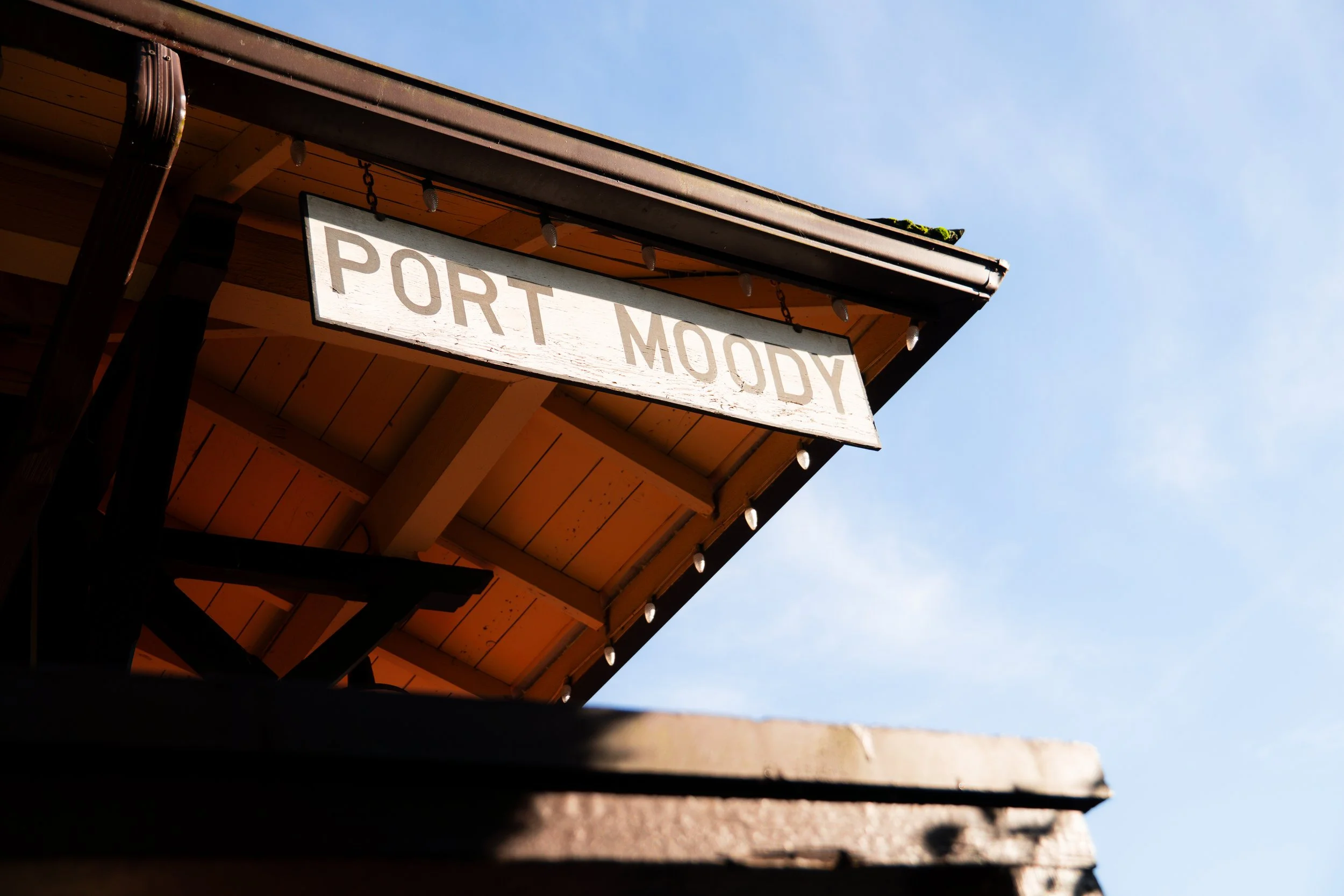
The POMO Museum, built-in 1908, was the second railway station built in Port Moody. The first was the 1882 Western Terminus Station which was demolished in 1961.
The museum is owned and operated by the
Port Moody Heritage Society.
The station, designed to be a live-in unit, consists of two floors and a basement. The main floor is accessible to the public as the main display area; the top floor is being used for administration and the basement is collection storage and washrooms.